
Different equipment, different finance. Here is why structure matters.
Every business uses equipment differently. A manufacturer replacing a production line has different needs to a professional services firm upgrading its IT infrastructure. The finance structure should reflect that.
New or used equipment
Most lenders finance both, though terms vary. Newer equipment typically attracts better rates and longer terms. Used equipment finance depends on the asset’s age, condition, and remaining useful life. We know which lenders are flexible on used equipment.
High-value versus everyday assets
A $500,000 CNC machine and a $15,000 office fit-out both need finance, but the assessment and structure are different. Higher-value assets may require more documentation and a different lender. We scale our approach to the purchase.
Replacement versus expansion
Replacing worn-out equipment is assessed differently to buying additional capacity. Lenders want to understand whether the asset is maintaining your current operations or growing them. We present the purpose clearly.
Supplier and dealer arrangements
Some equipment dealers offer their own finance, which may or may not be competitive. We compare dealer finance against our lender panel so you can see whether the convenience of dealer finance is worth the cost.
Residuals and balloon payments
Setting a residual payment at the end of the term reduces your monthly repayments but means a lump sum is due at maturity. We help you decide whether a residual suits your cash flow or whether paying the asset down fully makes more sense.
Equipment finance across industries
Manufacturing and production
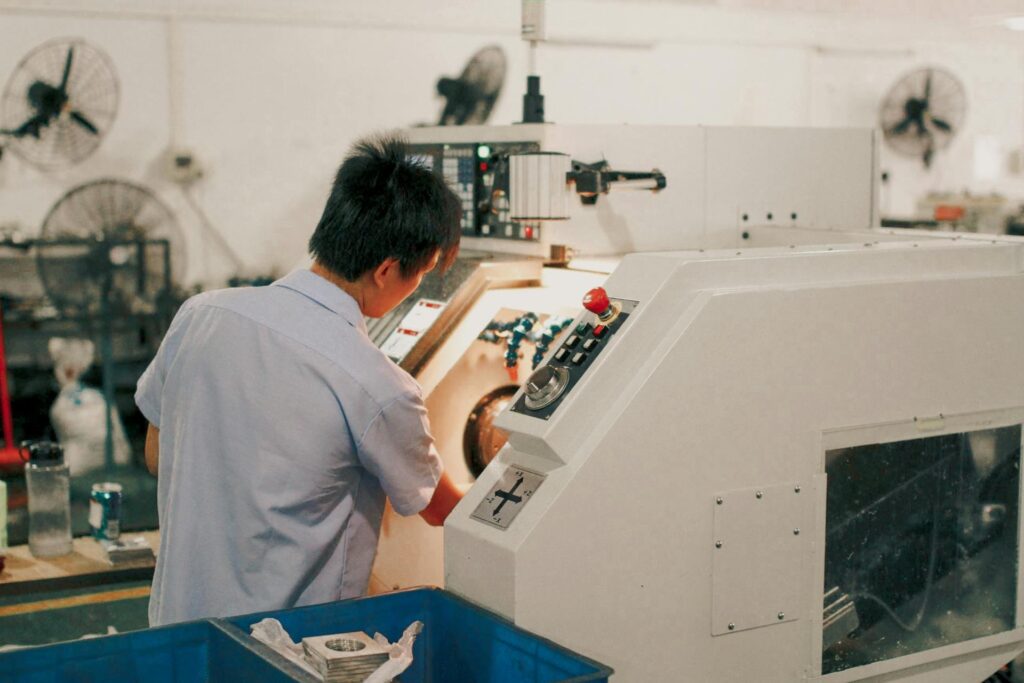
Production lines, CNC machines, presses, fabrication equipment, and factory fit-outs. Manufacturing equipment is often high-value with long useful lives. We structure finance that matches the asset’s lifespan and your production cycles.
Technology and IT
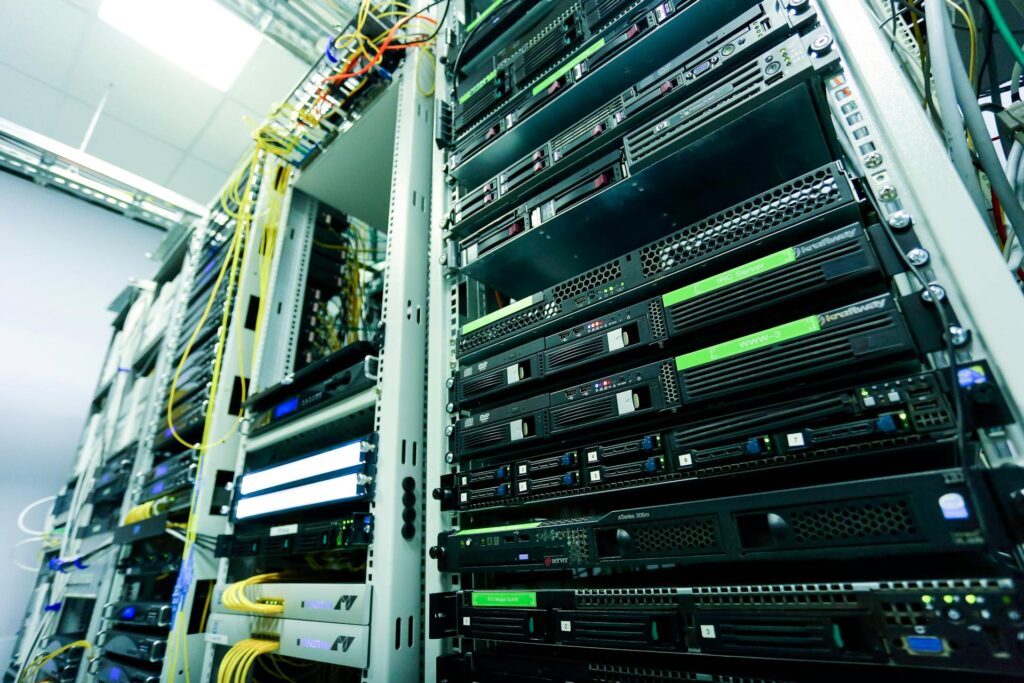
Servers, networking equipment, software systems, and office technology. Tech assets depreciate quickly, so the finance term needs to match the useful life. Operating leases can work well for technology that you will replace every few years.

Hospitality and retail
Kitchen equipment, point-of-sale systems, refrigeration, and shop or restaurant fit-outs. Hospitality and retail businesses often need equipment before revenue starts flowing. We structure finance to manage that timing.

Professional services
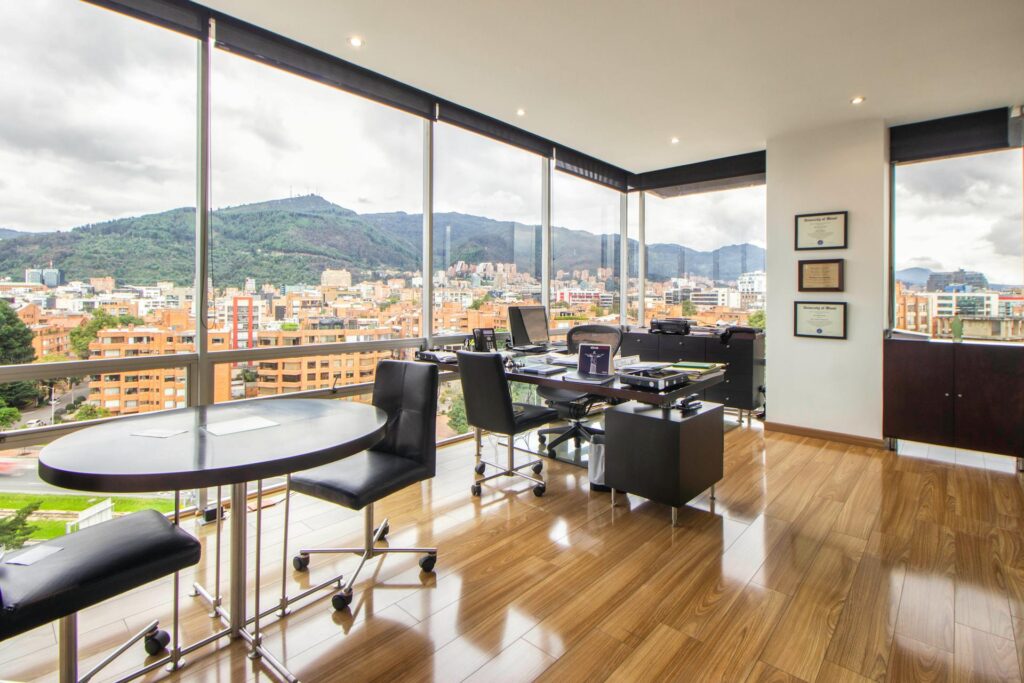
Office fit-outs, furniture, technology, and specialist equipment for accounting, legal, architectural, and consulting practices. Professional services firms often underestimate the finance options available for practice setup and upgrades.
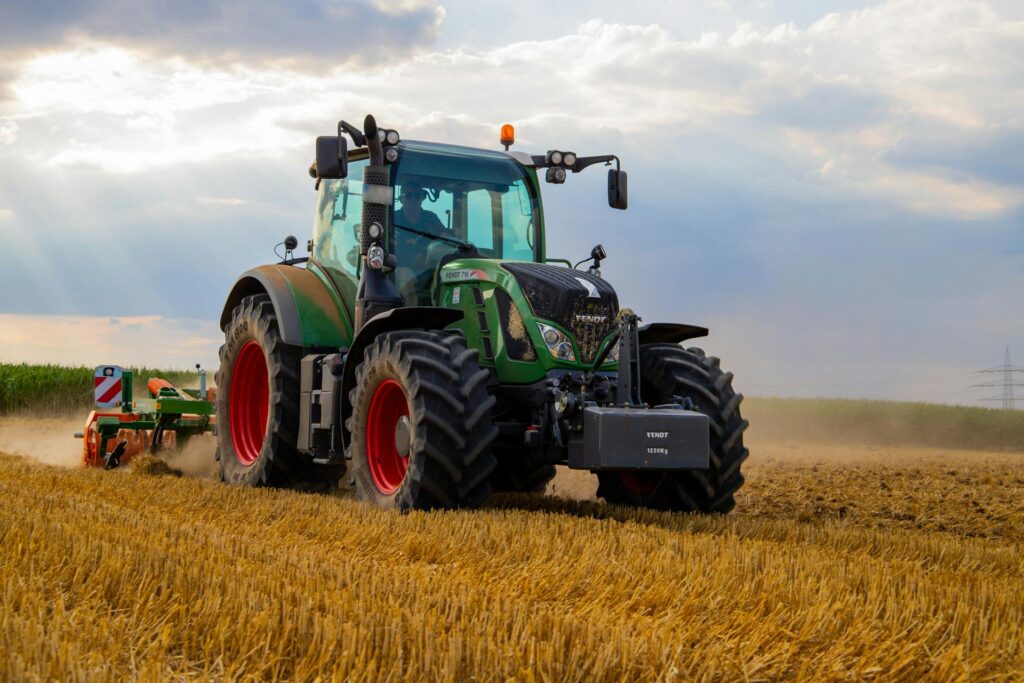
Agriculture and primary production
Farm machinery, irrigation systems, processing equipment, and storage facilities. Agricultural equipment finance can be structured around seasonal income patterns, with repayments that align with your harvest or production cycles.